If your loved one's body doesn't say what their mind means.
You are not making it up. You are not projecting. The instinct that there is more going on inside is, for many families, the first piece of evidence — and it deserves to be taken seriously.
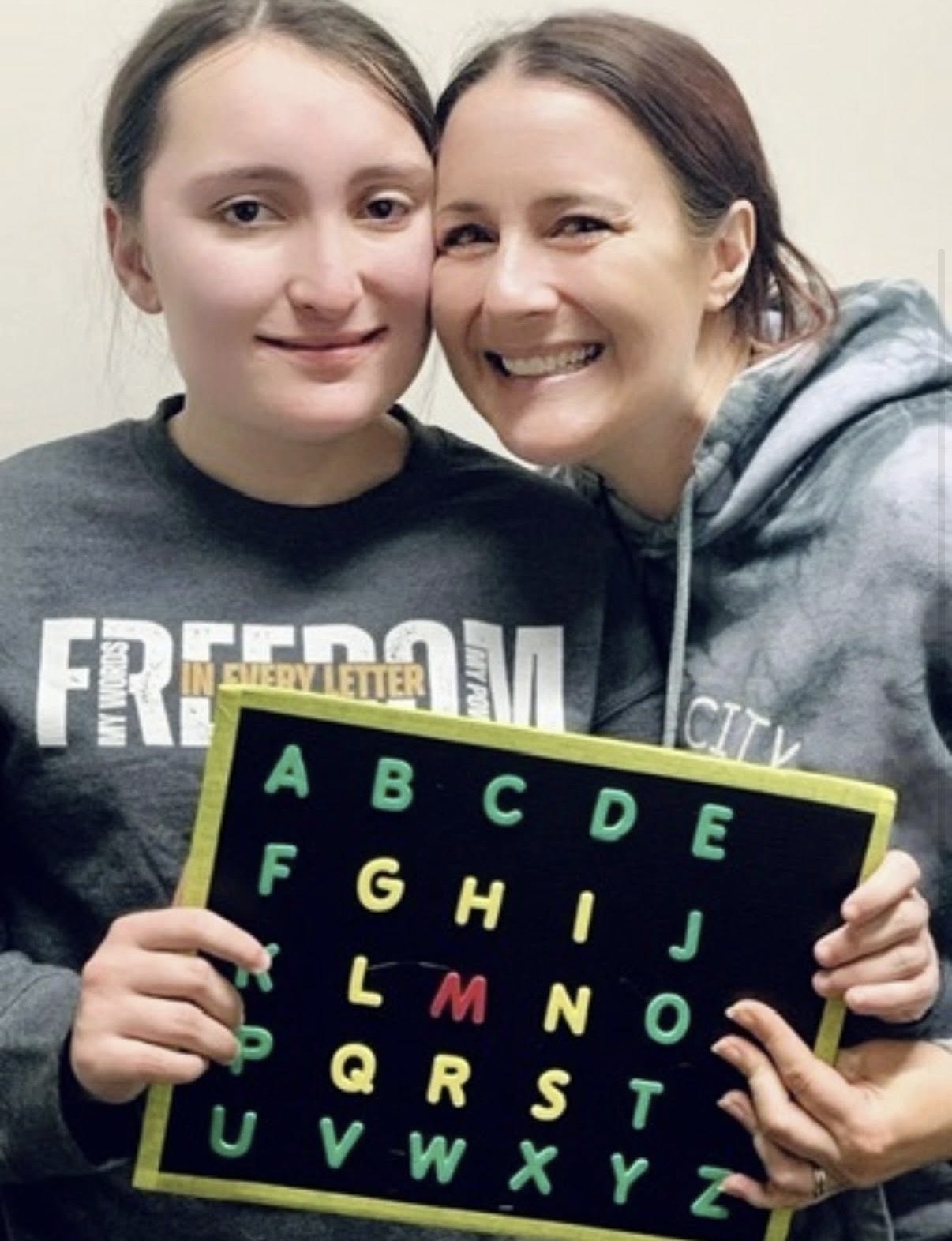
This section is written for parents, siblings, and caregivers who are at the beginning. We won't promise miracles. We won't sell you anything. We will help you think clearly about what supported communication is, who it tends to fit, and what a careful, ethical start looks like.
Is my child a candidate?
Signs that point toward a motor-planning explanation, what an evaluation can and can't tell you, and why no test 'rules out' communication potential.
Read →Getting started
What the first months can look like, what to bring to a session, and how to set up your home for low-stress practice.
Read →Finding a practitioner
Questions to ask, credentials and training pathways to understand, and red flags to take seriously.
Read →What to expect over time
Realistic timelines, common plateaus, how supports change as skill grows, and how to read progress that isn't always linear.
Read →